


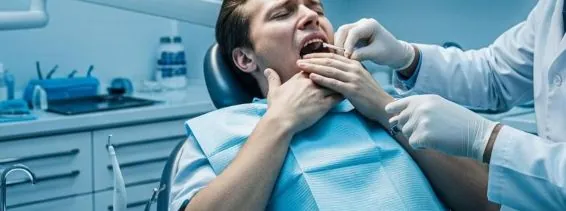
In a dental emergency, the most important thing to do is stay calm, manage pain or bleeding with basic first aid, and contact your dentist immediately. Fast action can mean the difference between saving and losing a tooth. According to the American Dental Association (ADA), there are roughly 2 million emergency room visits for dental problems every year in the United States. Many of those visits could have been handled faster and more effectively by a dentist. This article covers the most common dental emergencies, what to do step by step for each one, when to call a dentist versus heading to the ER, and how to prevent these situations in the first place.
What Is Considered a Dental Emergency?
A dental emergency is any situation involving the teeth, gums, or mouth that requires immediate care to stop bleeding, relieve severe pain, save a tooth, or treat a serious infection. Not every dental problem counts as an emergency. A small chip with no pain can usually wait a day or two. But a knocked-out tooth, a severe toothache that will not go away, uncontrolled bleeding, or swelling in the face or jaw needs same-day attention.
The CDC reports that over 34 million school hours are lost each year due to unplanned dental care. Almost $46 billion in productivity is lost annually in the United States because of untreated oral disease. These numbers show just how widespread dental pain and emergencies really are.
We prioritize dental emergencies and make every effort to see patients the same day they call. Dr. Jeff Berger and the entire team reserve time in the schedule specifically for urgent cases. If you are in pain or have an injury, call us at 209-532-2915 right away.
The Most Common Types of Dental Emergencies
According to a study published in the journal BMC Oral Health, about 10% of all dental visits are due to a dental emergency. The most frequent emergencies we treat include severe toothaches, knocked-out teeth, chipped or broken teeth, objects stuck between teeth, soft tissue injuries, lost fillings or crowns, and abscessed teeth.
We serve Sonora and surrounding communities like Jamestown, Columbia, and Twain Harte. If you experience any of these situations, contact our emergency dental care team right away.
Data from the Agency for Healthcare Research and Quality (AHRQ) shows that dental caries and abscesses accounted for nearly 80% of dental-related emergency room visits. That means the vast majority of dental emergencies stem from preventable conditions like untreated cavities and infections.
Step-by-Step First Aid for Common Dental Emergencies
Knowing how to respond in the first few minutes after a dental injury can have a major impact on the outcome. Here is what to do for the most common emergencies before you can see a dentist.
Severe Toothache
Rinse your mouth with warm water to clean the area. Use dental floss gently to remove any food that might be caught between teeth. A cold compress applied to the outside of the cheek can help reduce swelling. Do not place aspirin directly on the gums near the painful tooth, as it can burn the tissue. The ADA specifically warns against this. Call us to schedule a same-day visit.
A persistent toothache often signals an infection or deep decay. In many cases, root canal therapy can relieve the pain and save the tooth. We use advanced diagnostic tools like our DIAGNOdent laser and CariVu machine to locate decay and damage quickly.
Knocked-Out Tooth
According to the American Association of Endodontists, more than 5 million teeth are knocked out every year in the United States. Time is the single most critical factor. A tooth that is replanted within 30 minutes has a success rate approaching 85% to 97%, according to clinical research published in the Journal of Endodontics. After 60 minutes outside the mouth, the odds of saving the tooth drop significantly.
Pick up the tooth by the crown only. Never touch the root. Rinse it gently with water if dirty, but do not scrub it. Try to place the tooth back in the socket, root first. If that is not possible, keep the tooth moist by placing it in a container of cold milk or tucking it between your gum and cheek. Then get to a dentist immediately. Call us and we will get you in the same day.
We have the advanced dental technology needed to evaluate the tooth and surrounding bone and determine the best course of action for replantation.
Broken or Chipped Tooth
Rinse your mouth with warm water. If there is bleeding, apply gauze to the area. Use a cold compress on the outside of the face to reduce swelling. Save any broken pieces if possible and bring them to the appointment. Dr. Berger has years of experience with cosmetic and restorative dentistry, so even a badly broken tooth can often be repaired with a crown, veneer, or bonding.
For teeth that need a crown, we offer CEREC same-day crowns right here in Sonora. That means you can get a custom-fit, permanent crown in a single visit instead of waiting weeks for a lab.
Soft Tissue Injuries
Injuries to the lips, cheeks, tongue, or gums should be cleaned gently with water. A warm salt-water rinse can help. Apply moist gauze to the bleeding area and hold it in place with gentle pressure for 15 to 20 minutes. A cold compress can help with pain and swelling. If bleeding does not stop, head to the emergency room or call us right away.
Object Stuck Between Teeth
Try using dental floss to gently remove it. Never use a sharp or pointed instrument, as this can damage the gums or tooth enamel. If floss does not work, give us a call and we will safely remove the object for you.
Dental Emergency vs. Emergency Room: Where Should You Go?
For most dental emergencies, your dentist is the better option. Emergency rooms typically do not have the diagnostic equipment or trained dental staff to provide definitive treatment. According to the ADA, an ER visit for dental problems costs about three times as much as a visit to the dentist, averaging $749 compared to $90 to $200 at a dental office. ER doctors can prescribe antibiotics and pain medications, but they rarely perform fillings, extractions, or other restorative work.
You should go to the ER if you have uncontrolled bleeding that will not stop, a broken jaw, swelling that is making it hard to breathe or swallow, or a head injury along with a dental injury. For everything else, calling your dentist first is the faster and more effective route.
We offer same-day emergency appointments and can provide the complete care the ER simply cannot. Families across Tuolumne County, from Jamestown to Twain Harte, count on us for fast, effective emergency treatment.
Warning Signs of a Tooth Infection That Needs Urgent Care
A tooth infection, or dental abscess, is a pocket of pus caused by a bacterial infection. Left untreated, it can spread to the jaw, neck, and even the bloodstream. According to the National Institutes of Health (NIH), the mortality rate of mediastinitis, a complication where infection descends into the chest cavity, can reach 40% even with aggressive treatment. A case study published in the Journal of Endodontics reported that once septic shock develops from a dental infection, the mortality rate is nearly 50%.
Warning signs of a serious tooth infection include severe, constant throbbing pain, swelling in the face, cheek, or neck, fever, a foul taste in the mouth, sensitivity to hot and cold, pain when chewing, and swollen lymph nodes. If swelling is affecting your ability to breathe or swallow, go to the emergency room immediately.
We treat tooth infections with drainage, antibiotics when needed, and procedures like root canals to remove the source of infection. For patients with dental anxiety, we also offer sedation dentistry options including nitrous oxide, conscious sedation, and the NuCalm system to keep you comfortable throughout treatment.
How to Prevent Dental Emergencies
Prevention is always easier and less painful than emergency treatment. The CDC reports that 1 in 5 adults aged 20 to 64 have at least one untreated cavity, and nearly half of adults aged 30 and older show signs of gum disease. Staying on top of routine dental care is the single best way to prevent emergencies.
Brush twice a day and floss daily. Visit your dentist for regular checkups and cleanings. Wear a mouthguard during sports and physical activities. Avoid chewing on ice, hard candy, or non-food objects. Do not use your teeth to open packages or bottles. Address small problems like minor cavities before they become big, painful ones.
Regular visits to our general and family dentistry team allow us to catch problems early with tools like our CariVu cavity-detection system and digital x-rays, which emit about 90% less radiation than traditional x-rays.
Patients who are dealing with gum disease should know that untreated periodontal infections can worsen over time and lead to tooth loss. We use laser therapy and DNA testing to identify and treat gum disease precisely.
Dental Emergency Response Time Comparison
Emergency Type | Ideal Response Time | Key First Aid Step | Risk if Delayed |
Knocked-Out Tooth | Within 30 minutes | Replant or store in milk | Permanent tooth loss |
Severe Toothache | Same day | Cold compress, warm rinse | Infection, abscess |
Broken or Chipped Tooth | Within 24 hours | Rinse, save fragments | Nerve exposure, infection |
Dental Abscess | Within 24 hours | Warm salt-water rinse | Sepsis, hospitalization |
Lost Filling or Crown | Within 1-2 days | OTC dental cement | Cracking, further decay |
Soft Tissue Injury | Immediately | Gauze pressure, cold compress | Excessive bleeding, scarring |
Sources: American Association of Endodontists, American Dental Association, Cleveland Clinic, Journal of Endodontics.
Frequently Asked Questions
At What Point Is Tooth Pain an Emergency?
Tooth pain is an emergency when it is severe, constant, and does not respond to over-the-counter pain relievers. If the pain is accompanied by swelling in the face or jaw, fever, a bad taste in the mouth, or bleeding, you should contact a dentist the same day. According to the CDC, over 40% of adults experience mouth pain within a given year, and pain is often the first indicator that something serious is going on. If you experience sudden, intense tooth pain in Sonora, call us immediately at 209-532-2915.
What Is the Most Common Emergency in a Dental Clinic?
The most common emergency in a dental clinic is a severe toothache caused by decay or infection. Data from the AHRQ shows that dental caries and abscesses made up nearly 80% of dental ER visits in the United States. We see toothaches, broken teeth, and knocked-out teeth most frequently here in Sonora. We use dental crowns and bridges to restore damaged teeth and root canal therapy to treat infections at their source.
What Are Signs of Sepsis from a Tooth Infection?
Signs of sepsis from a tooth infection include a high fever, rapid heart rate, rapid breathing, confusion or disorientation, extreme fatigue, and a drop in blood pressure. According to a case study in the Journal of Endodontics, even a healthy young person can develop septic shock from an untreated dental abscess. If you notice these symptoms along with facial swelling or difficulty swallowing, go to the emergency room right away. This is a life-threatening condition.
What Is a Red Flag for a Dental Infection?
A red flag for a dental infection is swelling that spreads to the face, neck, or under the jaw. Other red flags include fever, difficulty opening the mouth, trouble breathing or swallowing, and pus draining from the gum near the affected tooth. An infection that progresses through these stages can develop into a medical emergency within days. Do not wait for these symptoms to improve on their own. Call us for same-day care in Sonora.
Is a Tooth Abscess an Emergency?
A tooth abscess is an emergency. An abscess is a bacterial infection that creates a pocket of pus at the root of a tooth or in the gums. Without treatment, the infection can spread to the jaw, head, neck, and bloodstream. The Sepsis Alliance states that dental infections can lead to sepsis, a condition that causes over 215,000 deaths per year in the United States. If you have a painful, swollen bump on your gums along with fever or facial swelling, call us right away.
What Are the Signs You Need Urgent Dental Care?
The signs you need urgent dental care include severe or worsening tooth pain, a tooth that has been knocked out or loosened, a cracked or broken tooth with sharp edges, uncontrolled bleeding from the mouth, swelling in the gums or face, and a visible abscess or pus. Adults should never have loose teeth, and any looseness is a sign of a serious problem. If you experience any of these symptoms, call us to be seen the same day here in Sonora.
Your Next Step
A dental emergency can happen to anyone, at any time. Knowing what to do in those first few minutes can protect your teeth, reduce pain, and prevent a small problem from becoming a serious one. The research is clear: fast action saves teeth, and a dentist is almost always the better choice over the ER for dental injuries and pain.
If you or a family member is dealing with a dental emergency in Sonora or anywhere in Tuolumne County, we are here to help. Dr. Jeff Berger and the entire team at Jeff Berger Dentistry provide same-day emergency dental care with the advanced technology and experience needed to handle any situation. Call us at 209-532-2915. We are located at 19604 Mono Way in Sonora, CA and we are open Monday through Thursday.


