


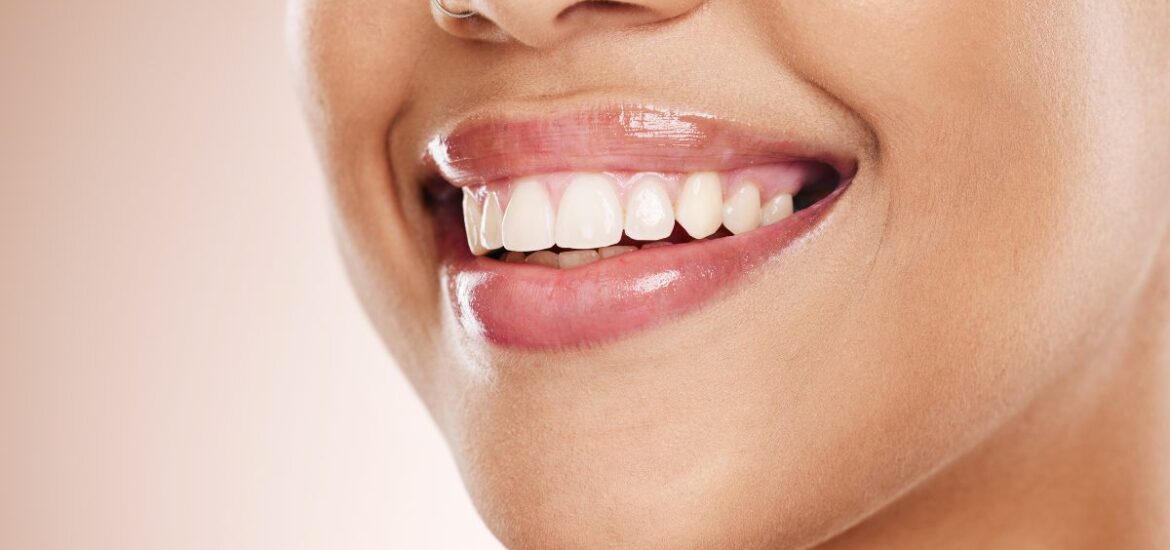
Professional teeth whitening results last one to three years on average with good oral hygiene and smart dietary choices. Over-the-counter whitening strips and trays typically fade in two to six months. The exact timeline depends on the whitening method you use, what you eat and drink, whether you use tobacco, and how well you care for your teeth afterward. This article explains how long each type of whitening lasts, why results fade, and exactly what you can do to keep your smile bright for as long as possible.
How Long Professional Teeth Whitening Results Last
In-office professional teeth whitening delivers the fastest and longest-lasting results. According to the AACD, in-office whitening can brighten teeth by up to eight shades in a single session that takes about 60 to 90 minutes. Those results last one to three years for most patients who maintain good oral hygiene and limit staining foods and drinks.
Dentist-prescribed take-home trays offer the next best option. These custom trays are made from impressions of your teeth, so the professional-strength gel fits snugly against every surface without leaking onto your gums. Results from take-home trays typically last six months to about a year from the initial course. The big advantage is that you keep the trays and can do touch-up treatments whenever you notice fading.
Over-the-counter whitening strips, gels, and toothpastes provide the shortest-lasting results. Most OTC products lighten teeth by one to two shades and fade within two to six months of daily use. According to the ADA, whitening toothpastes rely mostly on abrasives to remove surface stains and can lighten teeth by about one to two shades at most. They work best as a maintenance tool after professional whitening, not as a standalone treatment.
We offer both in-office whitening and take-home custom trays here in Sonora. Many patients get the best long-term results by combining both, starting with an in-office session for immediate brightness and then using custom trays at home for periodic touch-ups.
Do Teeth Go Back to Normal After Whitening
Teeth do gradually return toward their pre-whitening shade after treatment, but they do not snap back to their original color overnight. The fading process is slow and happens over months or years as new stains build up on the enamel surface. How quickly this happens depends almost entirely on your daily habits.
A review published in the NIH found that the optimal way to maintain long-term whitening results is to follow an in-office treatment with monthly at-home touch-ups using over-the-counter or dentist-prescribed products. Patients who do this experience far less color relapse than those who whiten once and never touch up.
It is also important to understand that whitening does not change the natural color of your dentin. Dentin is the layer beneath your enamel, and it is naturally yellowish. Professional whitening penetrates the enamel to break down stain molecules, but the dentin color stays the same. As enamel naturally thins with age, the dentin becomes more visible, which is why some gradual yellowing is normal over time even after whitening.
The good news is that touch-up whitening sessions are quicker and less expensive than the initial treatment. If you keep your custom take-home trays, a few nights of at-home whitening once or twice a year can keep your smile looking bright without needing another full in-office session. Patients across Tuolumne County find this combination to be the most practical and cost-effective approach.
What Makes Whitening Results Fade Faster
The biggest factor that shortens whitening results is your diet. Coffee, tea, red wine, dark berries, soy sauce, balsamic vinegar, and tomato-based sauces are the most common staining culprits. These foods and drinks contain strong pigments called chromogens that attach to your enamel and build up over time.
Tobacco use is another major factor. According to the ADA, tar and nicotine from smoking create some of the most stubborn stains on teeth. Smokers may notice their whitening results fading in as little as three to six months, compared to one to three years for non-smokers.
Poor oral hygiene speeds up staining too. Plaque buildup traps stain particles against your teeth and makes discoloration worse. Brushing twice a day, flossing daily, and keeping up with regular dental cleanings every six months removes surface stains before they have a chance to set in.
Acidic foods and drinks, like citrus fruits, soda, and vinegar-based dressings, can also affect your results. Acid softens your enamel temporarily and makes it more porous, which allows stain molecules to penetrate more deeply. Rinsing your mouth with water after eating or drinking something acidic helps protect your enamel and your whitening investment.
Your age and the natural thickness of your enamel also play a role. According to research cited in the Journal of Clinical Dentistry, enamel thins at a rate of about one to two micrometers per decade after age 30. As the enamel becomes thinner and more translucent, the naturally yellow dentin layer shows through more, which can make teeth appear less bright even without new surface stains.
How to Make Your Whitening Results Last Longer
The first 48 hours after whitening are the most critical. Your enamel pores are temporarily more open after treatment, which means your teeth absorb stains more easily during this window. Avoid coffee, tea, red wine, dark berries, tomato sauce, and any deeply colored foods or drinks for at least two days after your session.
After that initial period, a few simple daily habits make a big difference. Brush twice a day with a fluoride toothpaste. Floss once a day. Use a straw when drinking coffee, tea, or other dark beverages to keep the liquid away from the front of your teeth. Rinse your mouth with water right after consuming anything that could stain.
Quit tobacco if you currently smoke or chew. This single change does more for the longevity of your whitening results than any other lifestyle adjustment. It also protects your gums, reduces your risk of oral cancer, and improves your overall health.
Schedule professional cleanings every six months. Your hygienist removes surface stains and tartar that brushing alone cannot reach. These cleanings keep your teeth looking brighter between whitening treatments and help Dr. Jeff Berger and the entire team catch any gum disease early, before it affects your smile.
Use your custom take-home trays for periodic touch-ups. Most patients in Sonora find that using their trays for a night or two every four to six months is enough to maintain their results without needing another in-office visit. You can call us at 209-532-2915 to ask about setting up a take-home whitening kit.
Whitening Methods Compared by How Long Results Last
This table compares common whitening methods by how long results last, how many shades of improvement you can expect, and how often touch-ups are needed. Data is sourced from the American Dental Association (ADA), the American Academy of Cosmetic Dentistry (AACD), and the National Institutes of Health (NIH).
| Whitening Method | Shade Improvement | How Long Results Last | Touch-Up Frequency | Average Cost |
| In-Office Professional | Up to 8 shades | 1 to 3 years | Once per year (with trays) | $300 to $900 per session |
| Dentist Take-Home Trays | 3 to 6 shades | 6 months to 1 year | Every 4 to 6 months | $200 to $400 |
| OTC Whitening Strips | 1 to 2 shades | 2 to 6 months | Every 2 to 3 months | $20 to $60 |
| Whitening Toothpaste | 1 to 2 shades (surface only) | Only while using daily | Continuous daily use | $5 to $15 |
| OTC LED Kits | 1 to 3 shades | 2 to 4 months | Every 2 to 3 months | $30 to $100 |
Sources: American Dental Association (ADA), American Academy of Cosmetic Dentistry (AACD), National Institutes of Health (NIH)
Frequently Asked Questions
What Is the Downside of Teeth Whitening?
The downside of teeth whitening is that it can cause temporary tooth sensitivity and mild gum irritation. According to the ADA, sensitivity can develop within two to three days after starting a whitening program and usually resolves by the fourth day after treatment. Higher-concentration products used in the dental office are more likely to cause sensitivity than lower-strength OTC products, but your dentist manages this by applying a protective barrier to your gums and adjusting the treatment as needed. Whitening also does not work on crowns, fillings, or veneers, so any existing restorations may look darker compared to your newly whitened natural teeth.
How Painful Is Teeth Whitening at the Dentist?
Teeth whitening at the dentist is not painful for most people. Some patients feel mild sensitivity during or after the session, but it is usually temporary. According to the ADA, transient sensitivity is the most common side effect and typically resolves within a few days. If you have sensitive teeth or dental anxiety, we offer sedation dentistry options including nitrous oxide, the NuCalm relaxation system, and conscious sedation to keep you comfortable during any procedure here in Sonora.
How Many Times Should You Whiten Your Teeth at the Dentist?
You should whiten your teeth at the dentist about once a year for most patients, with at-home touch-ups every four to six months in between. According to the AACD, in-office results last one to three years, so a yearly check-in lets your dentist evaluate your shade and recommend a full session or a simple touch-up. Overwhitening can weaken your enamel over time, so it is important to follow your dentist’s recommended schedule rather than whitening as often as possible.
Why Do Teeth Turn Yellow?
Teeth turn yellow for two main reasons. The first is enamel thinning. As you age, your enamel gradually wears down and becomes more translucent, revealing the naturally yellow dentin layer underneath. Research shows that enamel thins at about one to two micrometers per decade after age 30. The second reason is staining from food, drinks, and tobacco. Coffee, tea, red wine, berries, and tobacco all deposit pigments on and within your enamel over time. Medications like tetracycline and excess fluoride during childhood can also cause deep intrinsic stains. Professional whitening can address most of these issues, and cosmetic dentistry options like veneers or bonding can help with stains that whitening alone cannot fix.
How Much Whitening Is Too Much?
Too much whitening happens when you bleach your teeth so frequently that the enamel becomes weakened, porous, or overly sensitive. According to a review in the NIH, aggressive bleaching with high-concentration products can cause enamel softening, increased surface roughness, and greater susceptibility to new stains. Following your dentist’s recommended treatment schedule is the safest approach. For most patients, one in-office session per year combined with periodic at-home touch-ups using dentist-approved products provides the best results without risking enamel damage.
What Foods Stain Teeth After Whitening?
The foods that stain teeth after whitening include coffee, tea, red wine, dark berries like blueberries and blackberries, soy sauce, balsamic vinegar, tomato sauce, curry, and dark chocolate. Drinks with artificial dyes, like sports drinks and colored sodas, are also staining culprits. The first 48 hours after whitening are especially important because your enamel pores are temporarily more open. During that window, stick to lighter-colored foods and drinks. After the first two days, you can return to your normal diet, but rinsing with water after consuming dark foods and using a straw for staining drinks will help extend your results.
Do Teeth Feel Better After Deep Cleaning?
Teeth often feel smoother and cleaner after a deep cleaning because the procedure removes tartar and bacteria from below the gumline that regular brushing cannot reach. According to the CDC, nearly 46% of adults over 30 have some form of gum disease, and deep cleaning is one of the most effective non-surgical treatments. Your gums may feel tender for a day or two afterward, but most patients notice less bleeding, reduced swelling, and fresher breath within a week. A deep cleaning also creates a healthier foundation for whitening and other cosmetic procedures. If you have been told you need a deep cleaning, it is worth getting it done before starting any whitening treatment.
The Bottom Line
Professional teeth whitening delivers real, noticeable results that can last one to three years with good habits and periodic touch-ups. Over-the-counter products work for mild staining but fade much faster. The key to keeping your smile bright is combining professional treatment with smart daily choices, like limiting staining foods, quitting tobacco, brushing and flossing every day, and using custom take-home trays for maintenance.
If you are in Sonora, Jamestown, Columbia, Twain Harte, or anywhere in Tuolumne County, Dr. Jeff Berger and the entire team at Jeff Berger Dentistry can help you choose the right whitening option and build a maintenance plan that keeps your results lasting as long as possible.
We offer both in-office whitening and custom take-home trays with results in as few as one to 14 days. Call 209-532-2915 to schedule your whitening consultation, or stop by our office at 19604 Mono Way in Sonora. A brighter, more confident smile is one visit away.


