


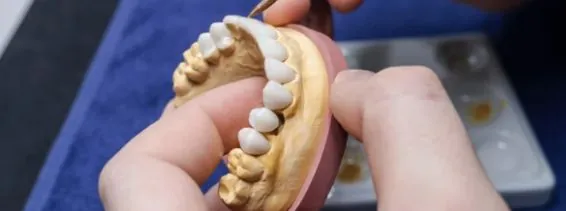
Dental crowns are custom-made caps that fit over a damaged or weakened tooth to restore its strength, shape, and appearance. They work by completely covering the visible part of the tooth down to the gum line, protecting it from further damage while allowing you to chew and speak normally. According to the National Center for Health Statistics, nearly 2.3 million implant-supported crowns alone are made each year in the United States. In this article, we cover the types of crown materials available, how the procedure works, what signs mean you may need a crown, and how to take care of them. We are proud to offer high-quality dental crowns and bridges right here in Sonora for patients throughout Tuolumne County.
How Dental Crowns Work to Protect Your Teeth
A dental crown works by encasing the entire visible portion of a tooth. Think of it as a helmet for a tooth that has been weakened by decay, a fracture, or a large filling. The crown holds everything together and absorbs the force of chewing so the natural tooth underneath does not crack or break further.
Crowns are bonded to the prepared tooth using dental cement. Once placed, they function and look like a natural tooth. According to the Cleveland Clinic, dentists use crowns to treat decayed, broken, or worn-down teeth. They are also used to hold a dental bridge in place, cover a dental implant, or protect a tooth after root canal therapy.
We use advanced technology like CEREC same-day crowns here in Sonora to create precise, custom-fit restorations in a single visit. CEREC uses CAD/CAM (computer-aided design and manufacturing) to mill a crown from a solid block of ceramic while you wait. Research published through the Journal of the American Dental Association shows that over 95% of CAD/CAM restorations remain clinically successful after five years, and more than 90% still function well after ten years.
What Are the Signs I Need a Crown?
The signs you need a crown include a cracked or fractured tooth, a large cavity that a filling cannot support, a tooth weakened after root canal treatment, severe tooth wear from grinding, and visible damage or discoloration that affects your smile.
According to the American Dental Association, if you have a large filling but not enough tooth remaining to hold it, a crown can help strengthen the tooth. A filling alone may not be enough to protect a tooth that has lost a significant amount of structure.
You may also need a crown if you have a tooth that has been chipped or broken from an injury. Families in Sonora, Jamestown, and Columbia who enjoy outdoor activities like hiking, swimming, and sports are especially prone to dental injuries. If you suffer a cracked or broken tooth, call us at 209-532-2915 right away so we can evaluate the damage.
A crown is also the standard restoration placed over a root canal treated tooth. After the infected pulp is removed, the remaining tooth structure becomes more brittle. A crown seals and strengthens it so you can use the tooth normally for years to come.
Types of Dental Crown Materials
There are several materials used to make dental crowns. Each has its own strengths, and the best choice depends on where the crown will be placed in your mouth, how visible it is, and your personal preference.
Porcelain (All-Ceramic) Crowns: These look the most like natural teeth and are a popular choice for front teeth. The Cleveland Clinic notes that all-ceramic crowns are a good option for people with metal allergies. Their average lifespan is 10 to 15 years.
Zirconia Crowns: Zirconia is one of the strongest ceramic materials used in dentistry. These crowns handle heavier bite forces and work well for both front and back teeth. Studies show zirconia crowns can last 15 to 25 years with proper care.
Porcelain-Fused-to-Metal (PFM) Crowns: These combine the durability of a metal base with the natural look of porcelain on the outside. They can last 10 to 20 years. One drawback is that the metal edge can sometimes show at the gum line over time.
Gold and Metal Alloy Crowns: Metal crowns rarely chip or break and require the least amount of enamel removal. A 2015 literature review found that gold crowns have a 95% survival rate over 10 years. They are best for molars that are not visible when you smile.
Dr. Jeff Berger and the entire team will help you choose the right material for your situation. We also offer cosmetic dentistry options if the appearance of your restoration is a top priority.
The Dental Crown Procedure Step by Step
The traditional dental crown procedure takes two appointments. At the first visit, we examine the tooth, take X-rays, and prepare it for the crown. Preparing the tooth means removing a thin layer of enamel on all sides so the crown can fit over it. If the tooth is severely damaged, we may need to build it up with filling material first.
After the tooth is shaped, we take an impression using a physical mold or a digital scan. The impression is sent to a dental lab where your permanent crown is custom-made. A temporary crown is placed to protect the tooth in the meantime.
At the second appointment, we remove the temporary crown, check the fit and color of the permanent one, and bond it in place with dental cement. We then check your bite to make sure everything feels right.
For patients here in Sonora who prefer to skip the wait, we offer CEREC technology. With CEREC, we take a digital impression, design your crown on a computer, and mill it from a ceramic block right in our office. You walk out with a finished crown the same day. This is a major convenience for patients traveling from Twain Harte or other parts of Tuolumne County.
We also offer sedation dentistry for patients who feel nervous about dental procedures. Options include nitrous oxide, conscious sedation, and NuCalm, so you can stay relaxed and comfortable throughout your appointment.
Why Do Dentists Push for Crowns?
Dentists push for crowns because a crown is often the only way to save a badly damaged tooth from extraction. When a tooth has a large cavity, a deep crack, or has undergone root canal therapy, a filling alone is not strong enough to hold up under the daily pressure of chewing. A crown distributes bite force evenly and prevents the tooth from splitting.
Pulling a tooth may seem simpler, but it leads to bigger problems. Missing teeth cause the surrounding teeth to shift, weaken the jawbone over time, and can lead to bite problems or even TMJ disorder. A crown preserves the natural tooth and avoids these complications.
A study published in PubMed analyzed 3,404 full crown restorations and found a mean annual failure rate of just 2.1% over 11 years. The same study found that teeth with prior endodontic treatment had a slightly higher risk of failure, which is why proper crown placement after a root canal is so important.
We also use advanced diagnostic tools like CariVu and DIAGNOdent to detect decay early, sometimes before it becomes visible on an X-ray. Catching problems early often means a smaller, less invasive restoration.
How Long Do Dental Crowns Last?
The average dental crown lasts between 10 and 15 years, according to the ADA. With good oral hygiene and regular dental checkups, many crowns last 15 to 25 years or longer. The Cleveland Clinic states that crowns can last upwards of 30 years with proper care.
A summary review published in the Journal of the American Dental Association found that 95% of crowns remain in the mouth for at least five years. Longer-term data shows that 50% to 80% of crowns survive 15 to 20 years. The type of material, how well the crown fits, and your daily habits all play a role.
Crown Material | Average Lifespan | 5-Year Survival Rate | Best For |
Porcelain / All-Ceramic | 10 to 15 years | 93.3% | Front teeth, visible areas |
Zirconia | 15 to 25 years | 94.9%+ (posterior) | Front and back teeth |
Porcelain-Fused-to-Metal | 10 to 20 years | 95.6% | Back teeth, bridges |
Gold / Metal Alloy | 20+ years | 95%+ at 10 years | Molars, out-of-sight teeth |
Sources: Journal of the American Dental Association (JADA), Pjetursson et al. (Clinical Oral Implants Research), Cleveland Clinic, 2015 literature review on gold crown survival
If you have an older crown that feels loose, looks discolored near the gum line, or causes sensitivity, it may be time for a replacement. Give us a call to schedule an evaluation.
How to Care for Your Dental Crown
Caring for a dental crown is very similar to caring for your natural teeth. Brush at least twice a day with fluoride toothpaste, floss daily (especially around the crown), and use an antibacterial mouthwash to reduce plaque buildup.
Avoid chewing on hard objects like ice, pen caps, or hard candy. These can crack or chip even the strongest crown materials. If you grind your teeth at night, ask about a custom nightguard. Studies have shown that bruxism increases the risk of crown failure, with hazard ratios around 1.5.
Regular dental checkups are critical. We recommend visits every six months so we can monitor the fit of your crown, check for signs of decay at the margins, and clean areas that are hard to reach at home.
We welcome patients from Sonora, Jamestown, Twain Harte, and the surrounding Sierra Nevada foothills communities for routine preventive care. General and family dentistry visits are the best way to catch small issues before they turn into big ones.
Frequently Asked Questions
Is It Painful to Get a Dental Crown?
Getting a dental crown is not painful. Local anesthesia is used to completely numb the treatment area before the tooth is prepared, so you feel no pain during the procedure. Most patients report only mild sensitivity afterward, which typically fades within a few days. A clinical study of 124 adults found that over 60% of patients experience some dentin sensitivity after tooth preparation, but this is temporary and manageable with over-the-counter pain relievers. If you feel anxious about dental work, we offer sedation options including nitrous oxide and NuCalm to keep you relaxed in Sonora.
What Happens to Natural Teeth Under Crowns?
Natural teeth under crowns remain alive and functional in most cases. Before a crown is placed, the dentist reshapes the tooth by removing a thin layer of enamel to make room for the cap. The tooth’s nerve and root stay intact unless a root canal has been performed. The crown seals and protects the remaining tooth structure from bacteria and further damage. With good oral hygiene and regular checkups, the natural tooth underneath can remain healthy for many years.
Can a Tooth Rot Under a Crown?
A tooth can rot under a crown if bacteria get beneath the margins where the crown meets the tooth. The crown itself cannot decay because it is made of porcelain, metal, or ceramic. However, the natural tooth underneath is still vulnerable. Poor oral hygiene, a poorly fitting crown, or aging cement can create tiny gaps where bacteria enter. Signs of decay under a crown include sensitivity, pain when biting, gum swelling, and visible darkening near the gum line. Regular dental exams and X-rays are the best way to catch this early.
Why Does It Take 2 Weeks to Make a Crown?
It takes about 2 weeks to make a traditional crown because the impression of your tooth must be sent to an off-site dental lab. Lab technicians craft a custom crown that matches your bite, tooth color, and shape precisely. This process involves multiple steps including casting or milling, layering porcelain, and quality checks. The good news is that same-day options exist. We use CEREC technology to design and mill crowns in our Sonora office during a single appointment.
Is It Worth Getting a Crown After a Root Canal?
Getting a crown after a root canal is absolutely worth it. A root canal removes the infected pulp from inside the tooth, which saves it from extraction but leaves the remaining structure more fragile. Without a crown, the tooth is much more likely to crack or break under normal chewing pressure. The PubMed study of 3,404 crowns found that teeth with endodontic treatment had a slightly higher risk of failure, but a well-placed dental crown still provides years of reliable protection.
Where to Go From Here
Dental crowns are one of the most effective ways to save a damaged tooth and restore your smile. Whether you need a crown after a root canal, have a cracked tooth, or want to replace an old restoration, we are here to help.
Dr. Jeff Berger and the entire team have the training, technology, and experience to give you a crown that looks natural and lasts for years. Dr. Berger completed advanced training at the Misch International Implant Institute and with Frank Spear in occlusion.
We offer dental crowns and bridges along with CEREC same-day crowns for patients who want results in a single visit.
We also provide interest-free financing plans and accept most major credit cards, personal checks, and cash. Learn more about our payment options so nothing stands between you and a healthier smile.
If you are in Sonora, Jamestown, Columbia, Twain Harte, or anywhere in Tuolumne County and think you may need a dental crown, call us at 209-532-2915 to schedule your appointment. We are located at 19604 Mono Way in Sonora, right here in Gold Country.
You can explore our full range of services at Jeff Berger Dentistry.
Veneers are another popular option for improving the appearance of your teeth. We break down the key differences in our post on how long veneers really last.
We also offer dental implants for patients who have already lost a tooth and need a permanent replacement. A crown is placed on top of the implant to complete the restoration.


