


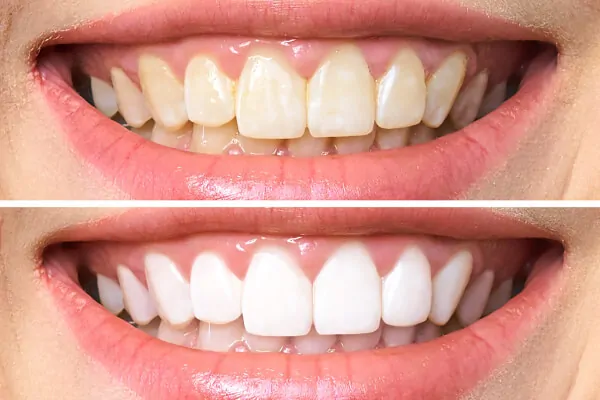
A smile makeover can cost anywhere from $5,000 for a basic combination of whitening and bonding to $40,000 or more for a full set of veneers, implants, and orthodontics. The total depends on which procedures you need, how many teeth are involved, and the materials your dentist uses. This article breaks down the cost of every common smile makeover procedure, explains what drives the price up or down, and shows you how to make the investment more affordable.
What Goes Into a Smile Makeover
A smile makeover is not a single procedure. It is a custom plan that combines two or more cosmetic dentistry treatments to improve the overall look of your smile. Every plan is different because every mouth is different.
Some people only need teeth whitening and a few dental bonding repairs. Others need veneers on six to ten front teeth, implants to replace missing teeth, and clear aligners to fix crowding first. The combination of treatments is what determines the final cost.
According to CareCredit, the cost of a smile makeover varies significantly depending on the combination of procedures and the number of teeth being treated. A basic makeover involving whitening and bonding on a few teeth might fall in the $5,000 to $8,000 range. A comprehensive makeover with eight to ten veneers, aligners, and gum contouring can land between $15,000 and $40,000. Full-mouth reconstructions involving multiple implants can exceed $60,000.
The first step is always a consultation. Dr. Jeff Berger will examine your teeth, listen to your goals, and map out a plan that addresses your specific concerns. From there, you will know exactly which procedures you need and what they will cost.
Common Smile Makeover Procedures and What They Cost
Here is a breakdown of the most common procedures included in smile makeovers, along with national average cost ranges reported by the ADA, AACD, and CareCredit.
Professional teeth whitening is the most affordable cosmetic procedure. In-office whitening typically costs $300 to $900 per session. Take-home custom trays from your dentist run about $200 to $400. We offer both in-office and take-home whitening with results in as few as one to 14 days.
Dental bonding uses a tooth-colored resin to repair chips, close small gaps, and cover stubborn stains. According to CareCredit, the national average cost for bonding is about $431 per tooth, with a typical range of $300 to $600 per tooth. It is one of the quickest fixes and is often completed in a single visit.
Porcelain veneers are thin shells that cover the front of your teeth and fix chips, cracks, gaps, and deep discoloration all at once. The AACD reports that porcelain veneers cost $900 to $2,500 per tooth nationally. A set of six to ten veneers for your most visible teeth can range from $9,000 to $25,000. Composite veneers are less expensive at $250 to $1,500 per tooth, but they do not last as long.
Invisalign clear aligners straighten crooked teeth and close gaps without metal brackets. Most cases cost between $3,000 and $8,000. Mild cases on the lower end can finish in about six months. More complex cases may take 12 to 18 months. We also offer Six Month Smiles for patients in Sonora who want faster results on their front teeth.
Dental implants replace missing teeth with a permanent, natural-looking solution. A single implant with the abutment and crown typically costs $3,000 to $5,800, according to the American Academy of Implant Dentistry. Additional procedures like bone grafting can add to the total. Research published in the NIH shows that implants have a success rate above 97% at 10 years, making them a long-term investment.
CEREC same-day crowns restore damaged or weakened teeth in a single appointment. A crown typically costs $800 to $2,500 per tooth depending on the material. Because CEREC eliminates the need for a temporary crown and a second visit, it saves time for families across Jamestown, Columbia, and Twain Harte.
What You Cannot Eat with Veneers and How to Protect Your Results
The foods you cannot eat with veneers include very hard items like ice, hard candy, raw carrots, and popcorn kernels. Biting directly into hard foods can chip or crack your veneers over time. Sticky foods like caramel and taffy can pull at the bonding material and weaken the seal.
You should also limit foods and drinks that stain, especially during the first 48 hours after placement. Coffee, red wine, dark berries, and tomato sauce can discolor the edges where the veneer meets your natural tooth. Porcelain veneers are more stain-resistant than composite veneers, but good habits help both types last longer.
Research published in the NIH found that porcelain veneers have a 10-year survival rate of about 95.5%. With proper care, many patients keep their veneers for 15 to 20 years. That makes them one of the most cost-effective cosmetic procedures over the long run.
Protecting your results means brushing twice a day with a non-abrasive toothpaste, flossing daily, and keeping up with regular dental cleanings every six months. If you grind your teeth at night, wearing a custom nightguard is one of the best ways to protect your investment.
Factors That Affect the Total Cost of a Smile Makeover
Several factors affect how much your smile makeover will cost. The biggest factor is the number of teeth being treated. Placing veneers on your top six front teeth will cost less than covering all visible upper and lower teeth.
The type of materials used also matters. Porcelain veneers and zirconia crowns look more natural and last longer, but they cost more than composite alternatives. Dr. Jeff Berger uses high-quality materials and advanced dental technology like CEREC, CariVu, and digital x-rays to deliver precise results here in Sonora.
Your current oral health plays a role too. If you have gum disease, cavities, or bone loss, those issues need to be treated before any cosmetic work begins. Procedures like gum disease treatment or root canals add to the total cost but protect the long-term success of your makeover.
The complexity of your case is another factor. A patient who needs whitening plus four veneers has a simpler plan than someone who needs implants, bone grafting, aligners, and a full set of crowns. During your consultation, we will outline every step so there are no surprises.
How to Make a Smile Makeover More Affordable
A smile makeover is an investment, and there are several ways to make it fit your budget. We offer interest-free financing plans that you can apply for right in the office. These plans let you spread the cost over time with no interest charges.
We also accept major credit cards, personal checks, and cash. Patients who pay the full amount upfront may qualify for a discount. Our front desk team handles insurance claims for you, so any benefits you do have will be applied automatically.
Another strategy is phased treatment. Instead of completing every procedure at once, you can break your makeover into stages. Start with the procedures that make the biggest visual impact, like whitening and veneers on your front teeth. Then move on to implants or crowns in a second phase when your budget allows.
According to the ADA, dental insurance typically covers treatments that are considered restorative, like crowns and sometimes implants, even if they are part of a cosmetic plan. Purely cosmetic procedures like whitening and veneers are usually not covered, but your restorative work may offset part of the total. You can call us at 209-532-2915 to learn more about your payment options before your consultation.
Smile Makeover Cost Comparison by Procedure
This table compares the most common smile makeover procedures by cost, lifespan, and typical number of visits. Data is sourced from the American Dental Association (ADA), the American Academy of Cosmetic Dentistry (AACD), the National Institutes of Health (NIH), and CareCredit.
| Procedure | Cost Per Tooth/Session | Average Lifespan | Typical Visits |
| Professional Teeth Whitening | $300 to $900 per session | 6 months to 2 years | 1 (in-office) or at-home kit |
| Dental Bonding | $300 to $600 per tooth | 3 to 10 years | 1 |
| Porcelain Veneers | $900 to $2,500 per tooth | 10 to 20 years | 2 to 3 |
| Composite Veneers | $250 to $1,500 per tooth | 5 to 7 years | 1 to 2 |
| Invisalign / Clear Aligners | $3,000 to $8,000 total | Permanent with retainer | Multiple over 6 to 18 months |
| Dental Implants (single) | $3,000 to $5,800 per tooth | 20+ years (often lifetime) | 2 to 3+ over several months |
| CEREC Same-Day Crowns | $800 to $2,500 per tooth | 10 to 15 years | 1 |
Sources: American Dental Association (ADA), American Academy of Cosmetic Dentistry (AACD), National Institutes of Health (NIH/PMC), CareCredit
Frequently Asked Questions
Can Yellow Teeth Really Be Whitened?
Yes, yellow teeth can really be whitened in most cases. Professional in-office whitening can brighten teeth by six to eight shades in a single session, according to the AACD. Stains caused by coffee, tea, red wine, and tobacco respond especially well to professional-strength bleaching. Deeper discoloration caused by medications like tetracycline or excess fluoride may need veneers or bonding instead of whitening alone. We offer both in-office and take-home whitening to fit your schedule and budget.
What Happens After 20 Years of Veneers?
What happens after 20 years of veneers depends on how well you have cared for them. Porcelain veneers have a 10-year survival rate of about 95.5%, according to a systematic review in the NIH. Many patients keep their veneers for 15 to 20 years or longer before they need replacement. Over time, the bonding material may weaken, gum recession may expose the edges, or small chips may develop. At that point, your dentist can replace the old veneers with new ones. Regular cleanings and checkups here in Sonora help catch early signs of wear so your veneers last as long as possible.
Can I Bite Into an Apple with Veneers?
Yes, you can bite into an apple with veneers, but it is better to cut it into slices first. Biting directly into hard foods puts pressure on the edges of your veneers and can cause chips over time. Porcelain veneers are strong, but they are not as resilient as your natural enamel under direct biting force. Cutting hard fruits, using your back teeth for tough foods, and avoiding ice are simple habits that protect your veneers for years.
Why Are My Teeth Half White Half Yellow?
Teeth that are half white and half yellow usually have uneven enamel thickness. The white areas have thicker enamel, while the yellow areas have thinner enamel that lets the darker dentin layer show through. This can happen naturally or from enamel erosion caused by acidic foods, aggressive brushing, or grinding. Conditions like fluorosis can also create white spots against a yellow background. A cosmetic dentistry consultation can help determine the cause and recommend options like whitening, bonding, or veneers to even out the color.
Is It Too Late to Fix Yellow Teeth?
It is almost never too late to fix yellow teeth. Professional whitening works well for surface stains at any age. According to the ADA, adults of all ages are good candidates for whitening as long as their teeth and gums are healthy. For deeper discoloration or teeth that have thinned with age, veneers and bonding can restore a bright, even appearance. If you have been putting off cosmetic work because you thought it was too late, families across Tuolumne County are welcome to call 209-532-2915 and schedule a consultation.
Why Do Dentists Advise Against Veneers?
Dentists sometimes advise against veneers when a patient’s teeth are healthy and the concern can be fixed with a less invasive option like whitening or bonding. Veneers require removing a thin layer of enamel, about 0.5 to 0.7 millimeters, and that enamel does not grow back. A responsible cosmetic dentist will also advise against veneers if the patient has active gum disease, severe grinding, or very thin enamel. Veneers are an excellent solution for the right candidate, but crowns or bonding may be better choices in some situations.
What Cannot You Eat with Veneers?
The foods you cannot eat with veneers include hard items like ice, popcorn kernels, hard candy, nuts in the shell, and raw carrots or apples (unless sliced). Sticky foods like caramel, taffy, and gummy candy can also weaken the bond between the veneer and your tooth. Biting your nails, chewing on pens, or opening packages with your teeth are habits to avoid as well. With normal care and smart food choices, your veneers will stay strong and intact for many years.
Your Next Step
A smile makeover is a real investment in how you look, how you feel, and how confidently you move through your daily life. The cost depends on your goals, your oral health, and the combination of procedures in your plan. The best way to get an accurate number is to sit down with a dentist who will listen and give you an honest breakdown.
If you are in Sonora or anywhere in Tuolumne County, Dr. Jeff Berger and the entire team at Jeff Berger Dentistry are ready to help. We will walk you through every option, answer every question, and build a plan that works for your smile and your budget.
Call 209-532-2915 today to schedule your smile makeover consultation. We are located at 19604 Mono Way in Sonora and welcome patients from Jamestown, Columbia, Twain Harte, and communities across the Sierra Nevada foothills.


